H2S Training in Abu Dhabi: ADNOC-Approved Course Guide — Levels, Validity & Site Rules
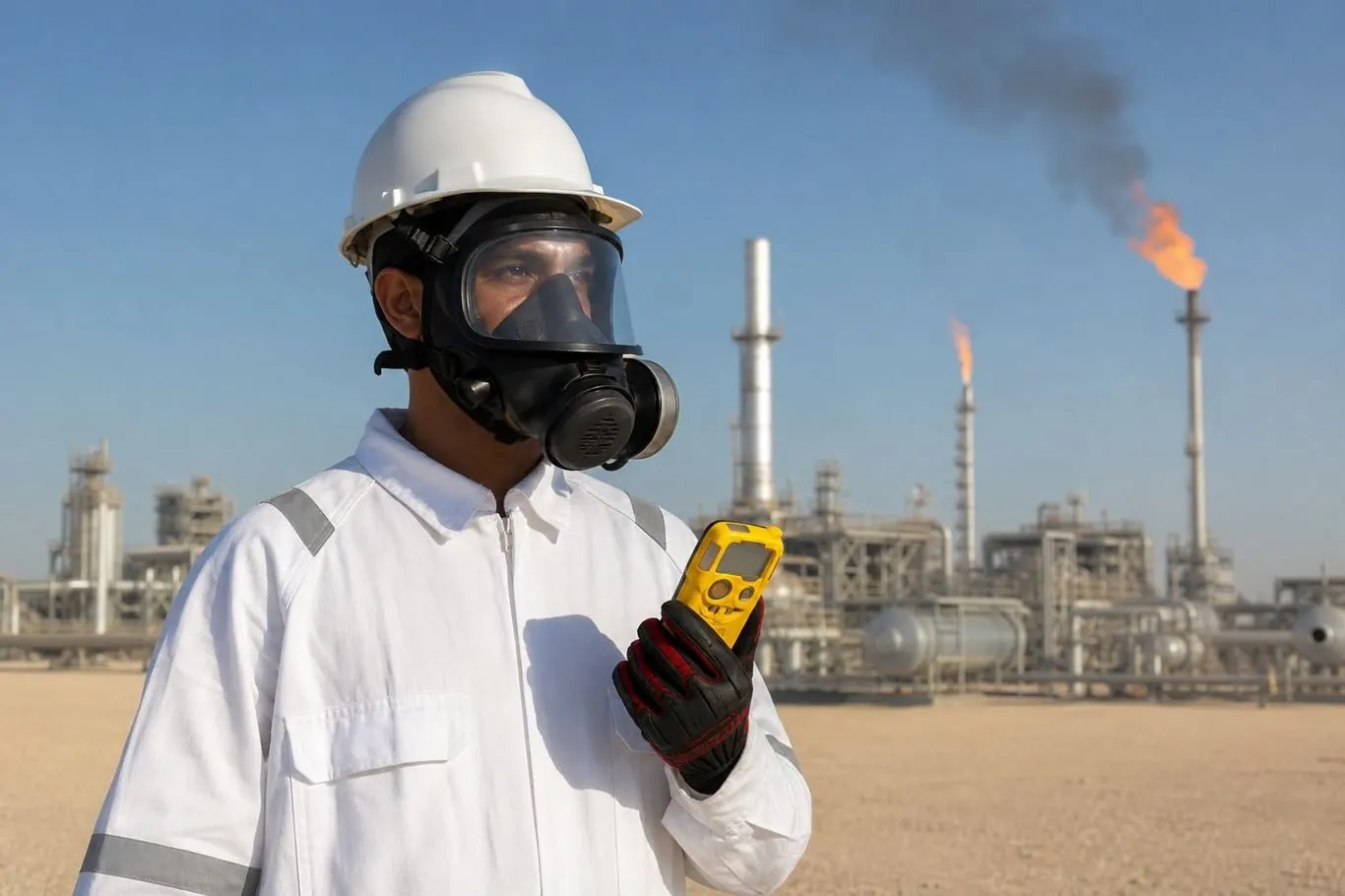
For ADNOC Onshore sites, H2S Awareness & Escape Level 2 (written + practical BA/SCBA drill) is the mandatory card for anyone working inside premises; Level 1 covers written-only awareness. Cards run on a 2-year cycle — level details in our L1 vs L2 breakdown.
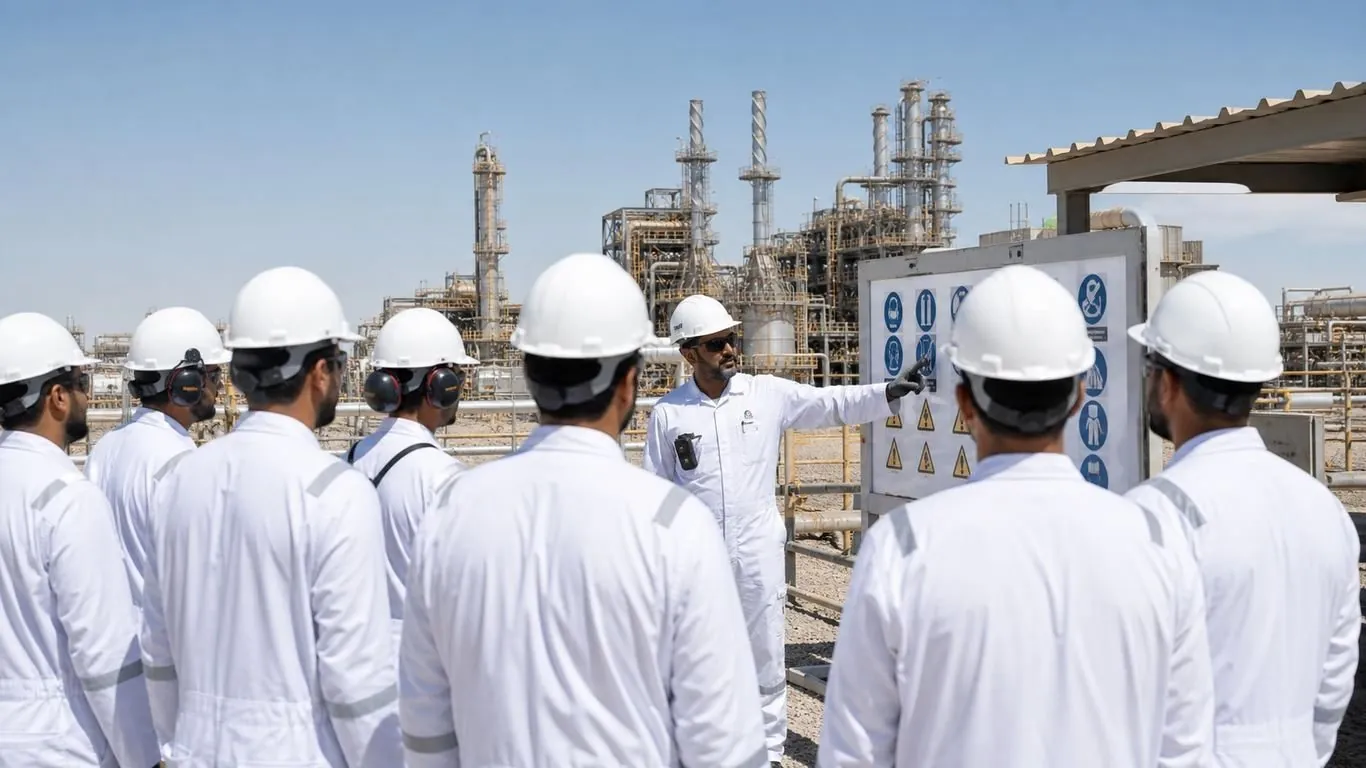
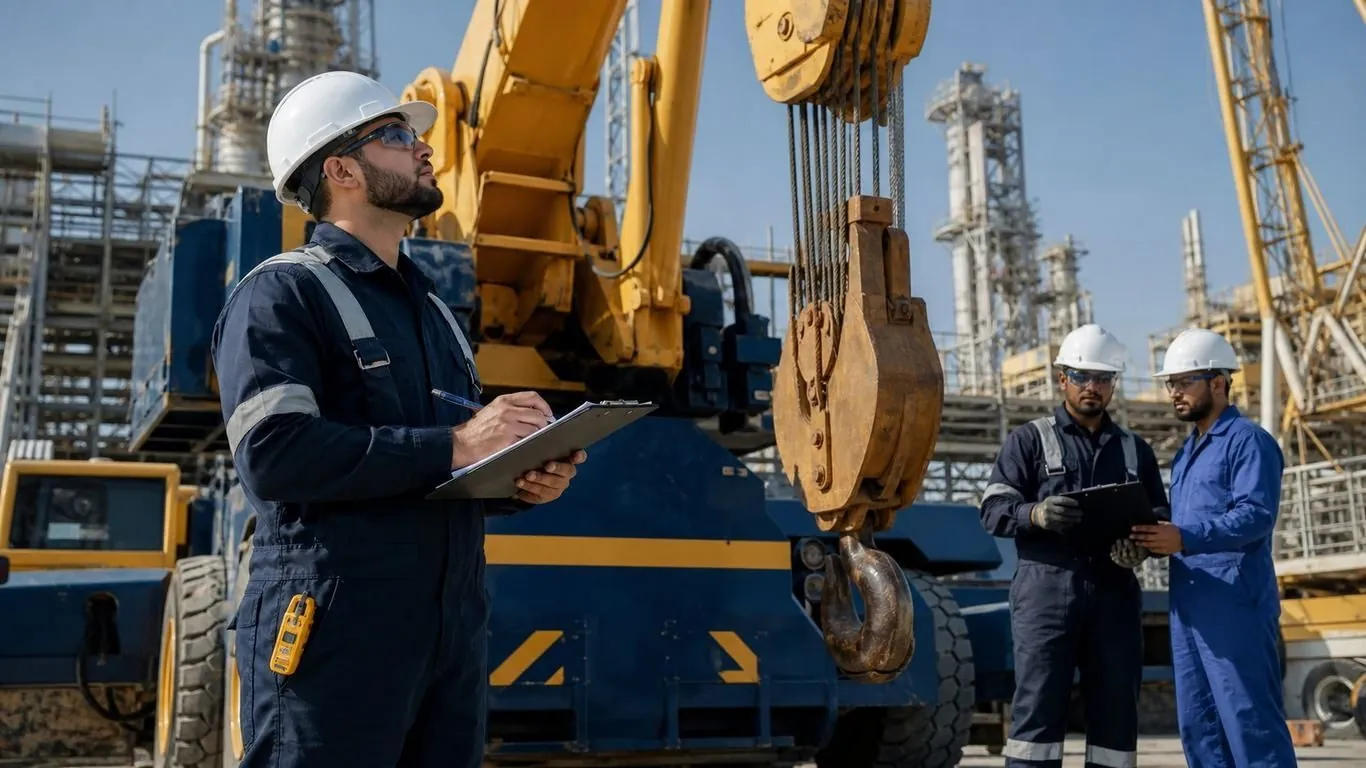
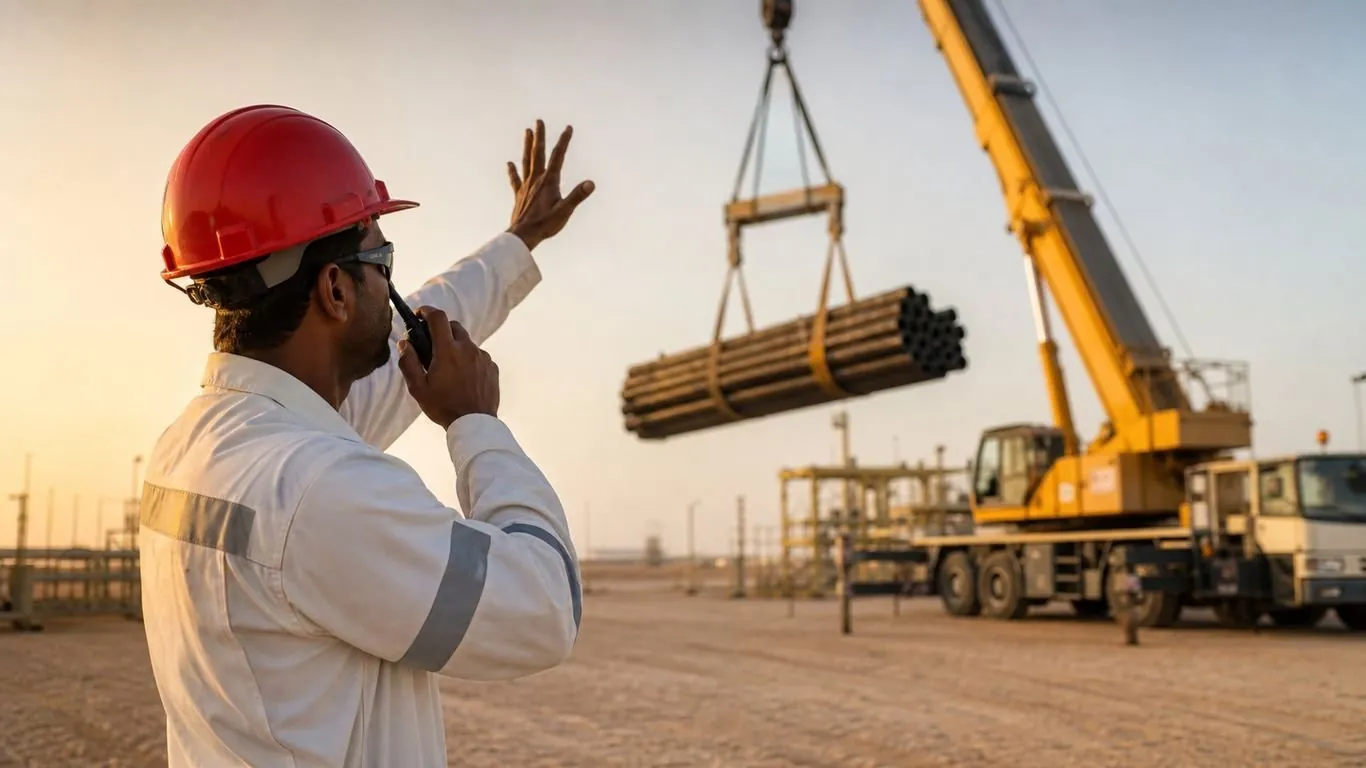
If you plan to work at ADNOC onshore sites — Ruwais, Habshan, Bab, Bu Hasa or any process facility, drilling rig or well location — three letters decide whether you get through the gate: H2S. No valid H2S certificate, no site entry. Here's the complete, simple guide. Which level your role actually requires — awareness versus SCBA-equipped escape — is compared in our H2S Level 1 vs Level 2 guide.
What Is H2S and Why Is ADNOC So Strict About It?
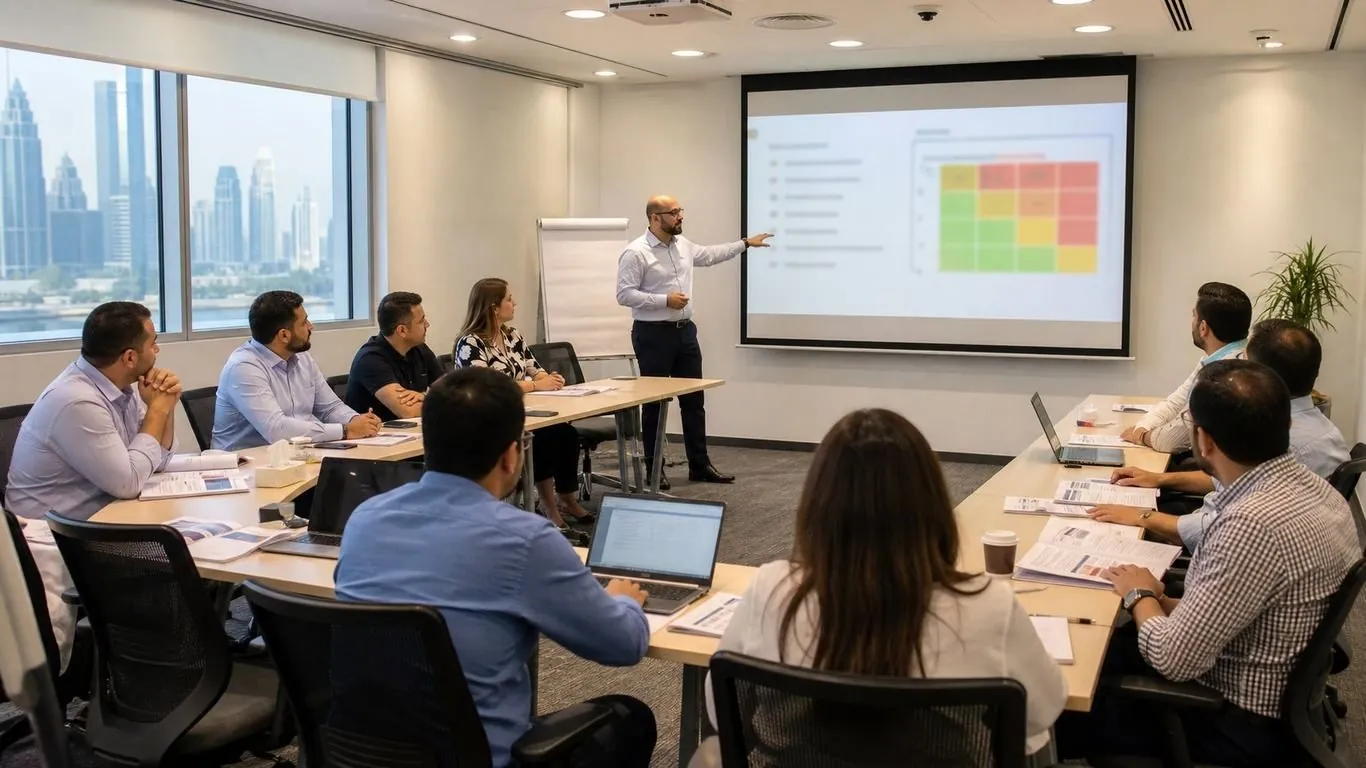
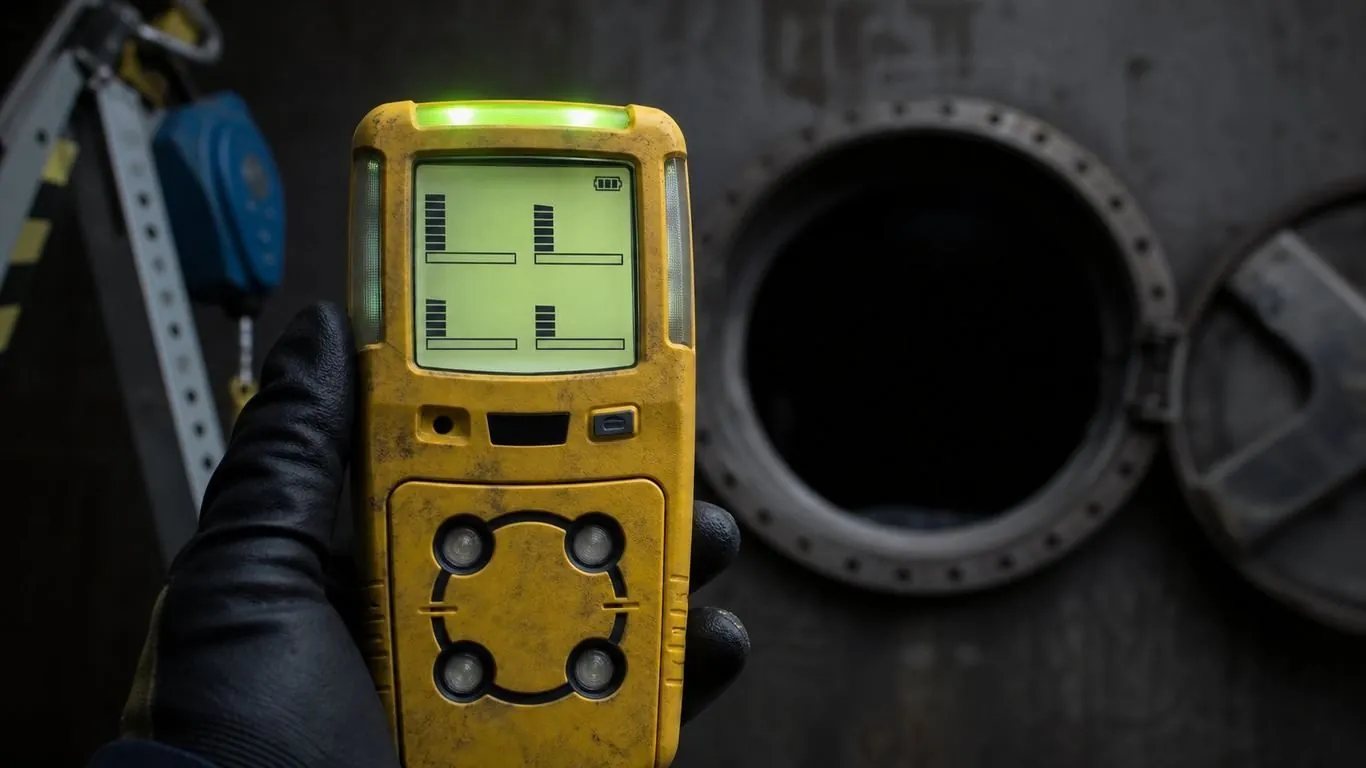
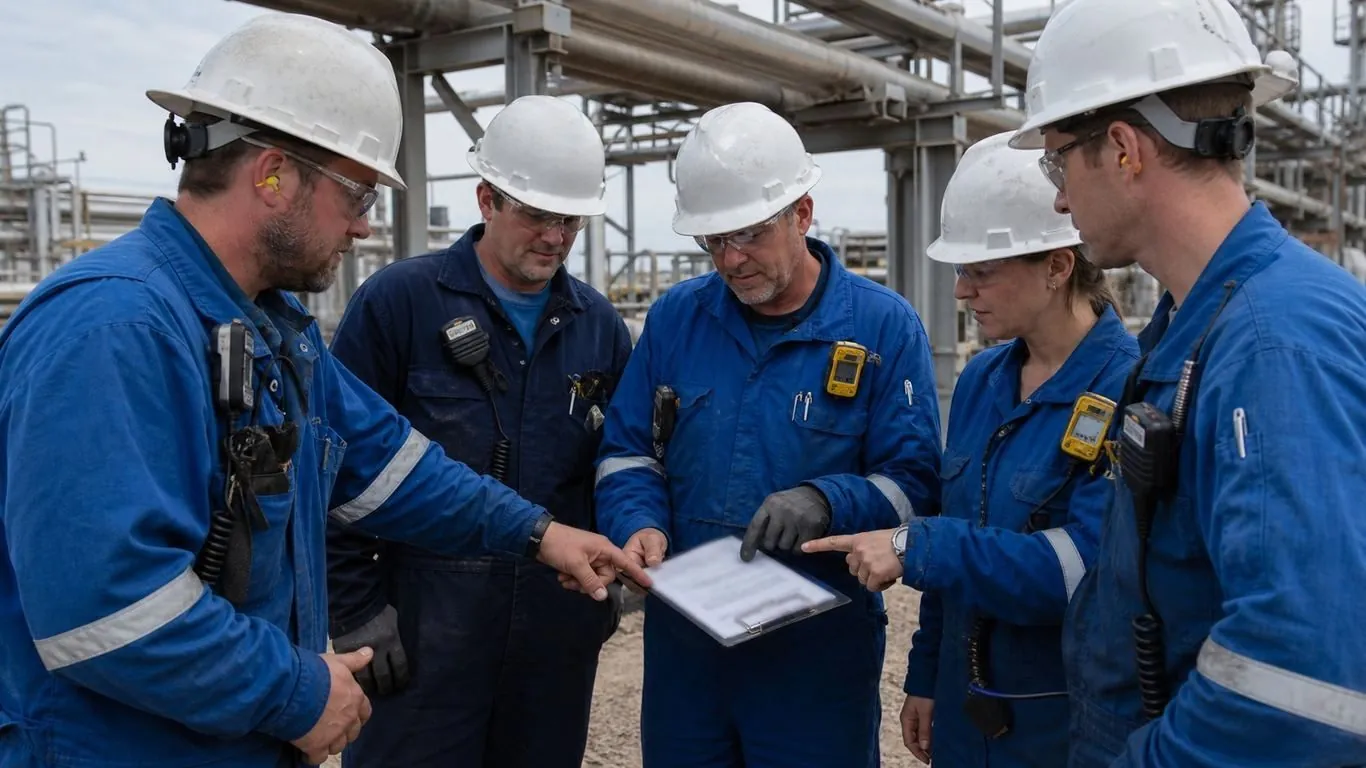
Hydrogen Sulfide (H2S) is a highly toxic, flammable gas found in oil & gas operations. It can be fatal even at low concentrations — and because it deadens your sense of smell, you can't rely on your nose to detect it. That's why ADNOC mandates certified H2S training for everyone entering classified zones (Red / Amber / Yellow): staff, contractors, engineers, visitors. Which training each zone demands — the Green-to-Red matrix — is tabulated in our H2S zone classification ADNOC guide. The card that actually authorizes the gas tests behind these H2S controls is covered in our authorized gas tester course guide — validity, expiry rules and the ADNOC-versus-OPITO split. Candidates preparing for the assessment will find the format, pass mark and retake rules in our ADNOC H2S exam guide. To plan the whole approval pathway rather than one module, the ADNOC approved courses list groups the HSE stack by role.
H2S Level 1 vs Level 2 — Which One Do You Need?
| H2S Level 1 (Awareness) | H2S Level 2 (Awareness + Escape / SCBA) | |
|---|---|---|
| Who it's for | Personnel who may enter H2S-classified zones, incl. temporary workers & visitors | Personnel likely to be exposed to H2S — process ops, drilling, rig & rig-less crews |
| Key content | Gas properties & hazards, detection & monitoring, safe work practices, emergency actions | Everything in Level 1 plus hands-on breathing apparatus (EEBA/SCBA/SAR) and escape response |
| Assessment | Written examination | Written exam + practical BA demonstration |
Validity: H2S certification is typically valid for 2 years — after which you must refresh. This is why experienced oil & gas workers re-take the course every two years without exception.
What the Course Covers
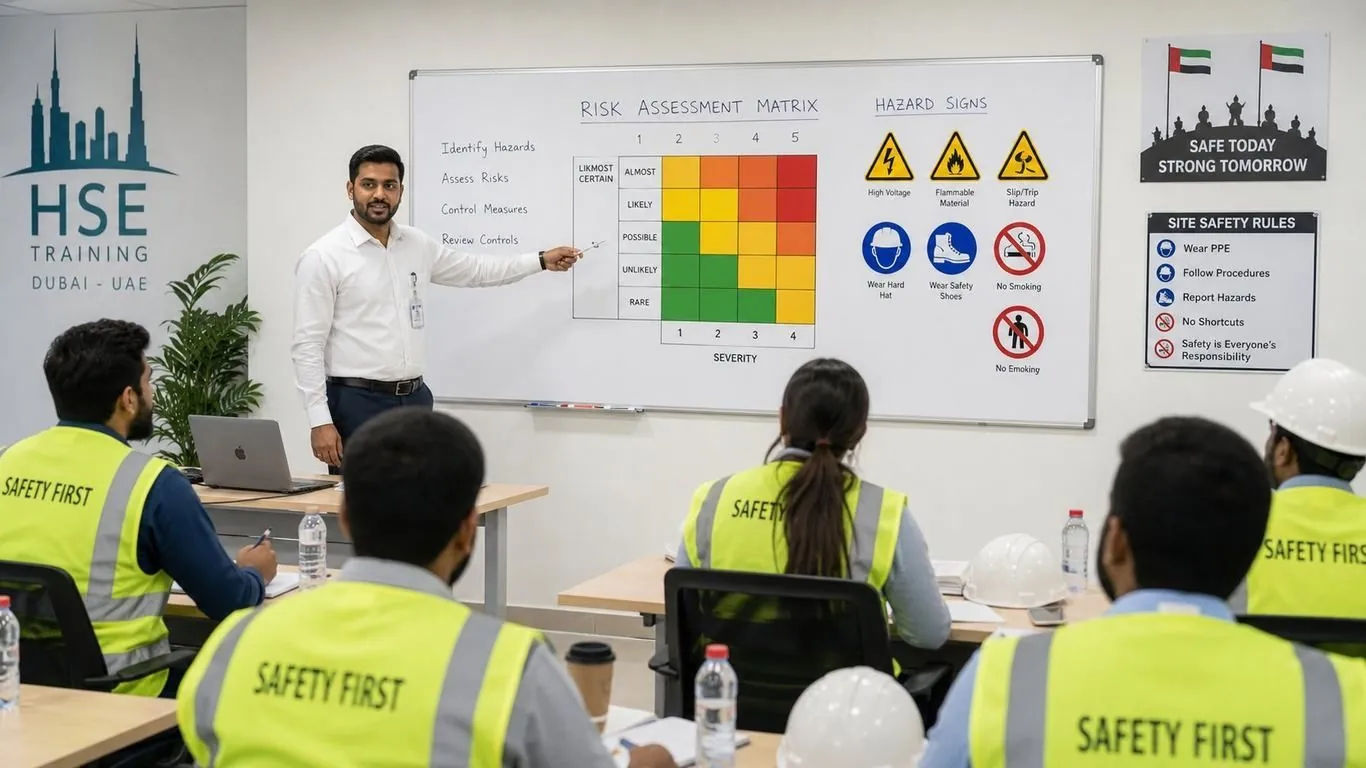
- Introduction to ADNOC Onshore Life Saving Rules & real incident case studies
- Physical & chemical properties of H2S, sources, and its effect on the human body
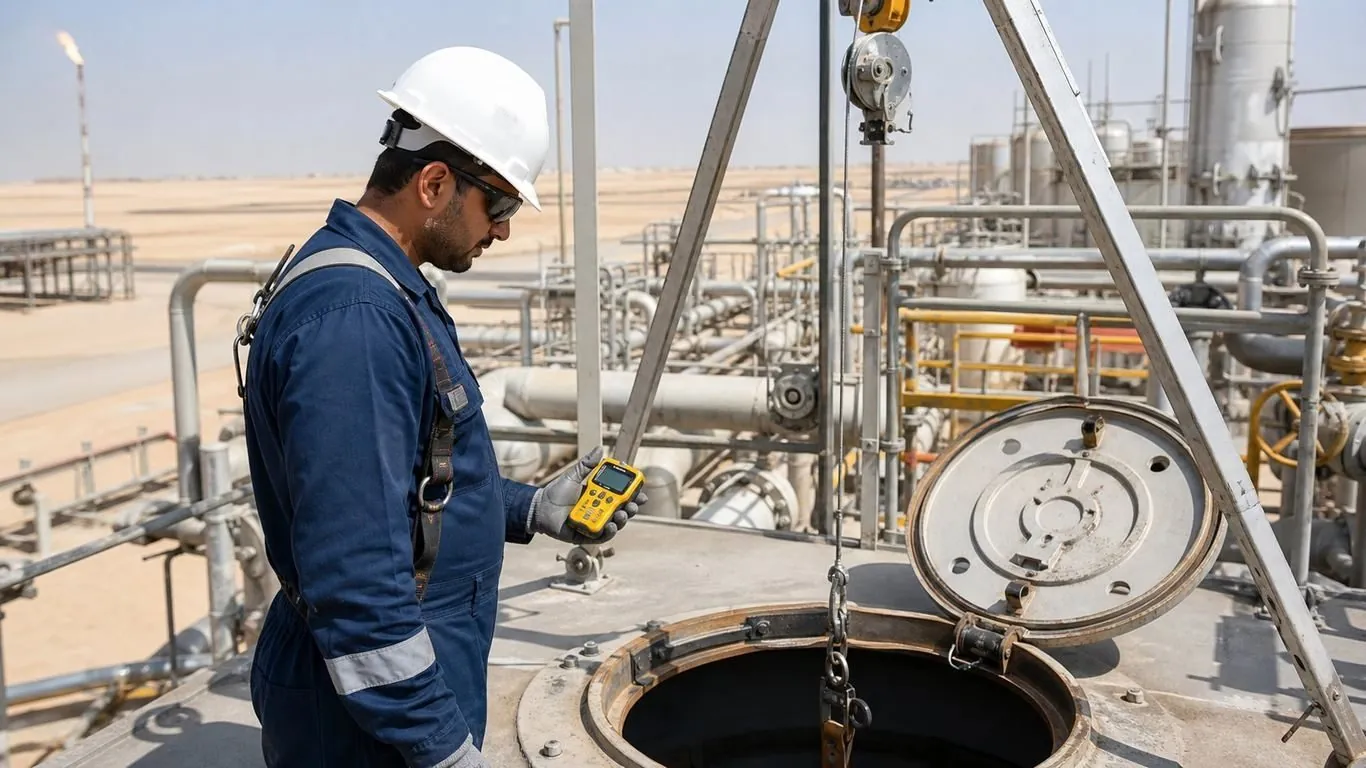
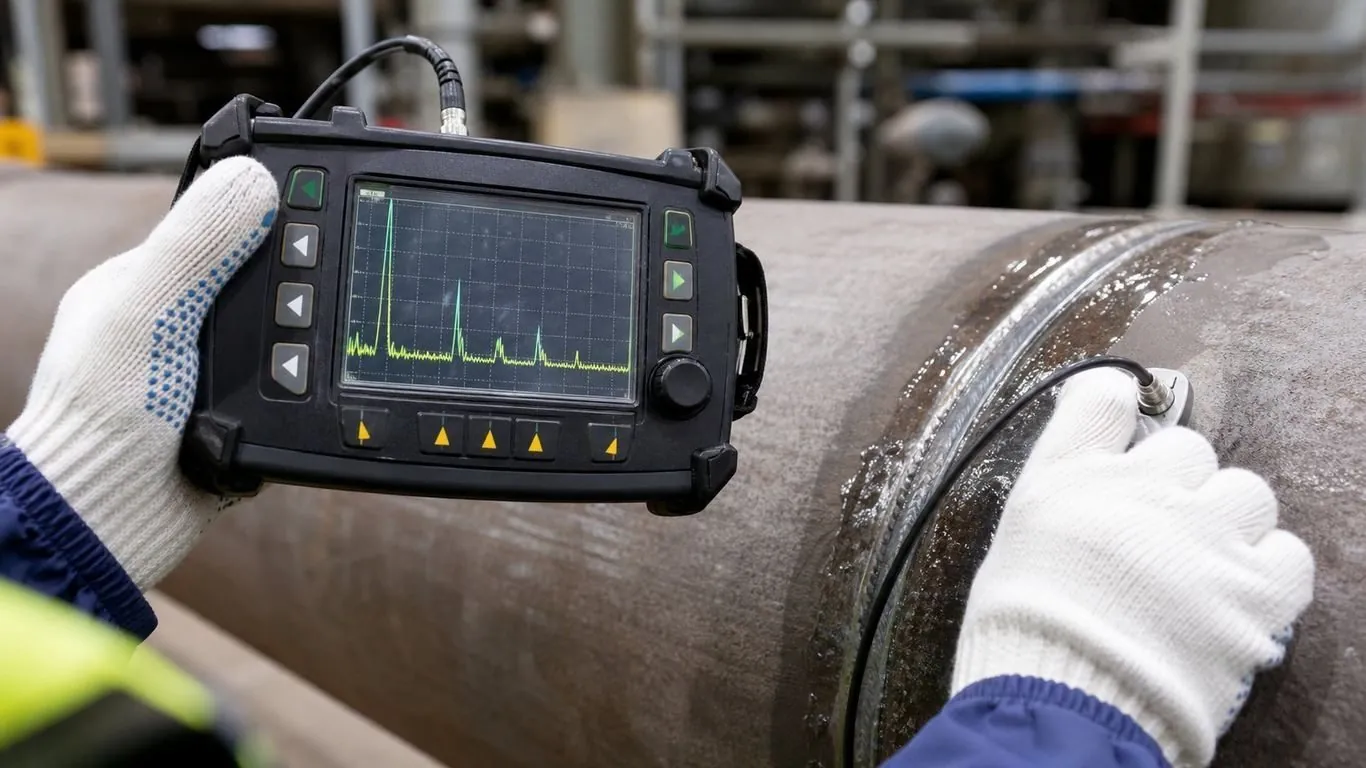
- Detection, measurement & monitoring methods
- Safe work practices in classified zones (Red / Amber / Yellow)
- Respiratory protective equipment & breathing apparatus handling
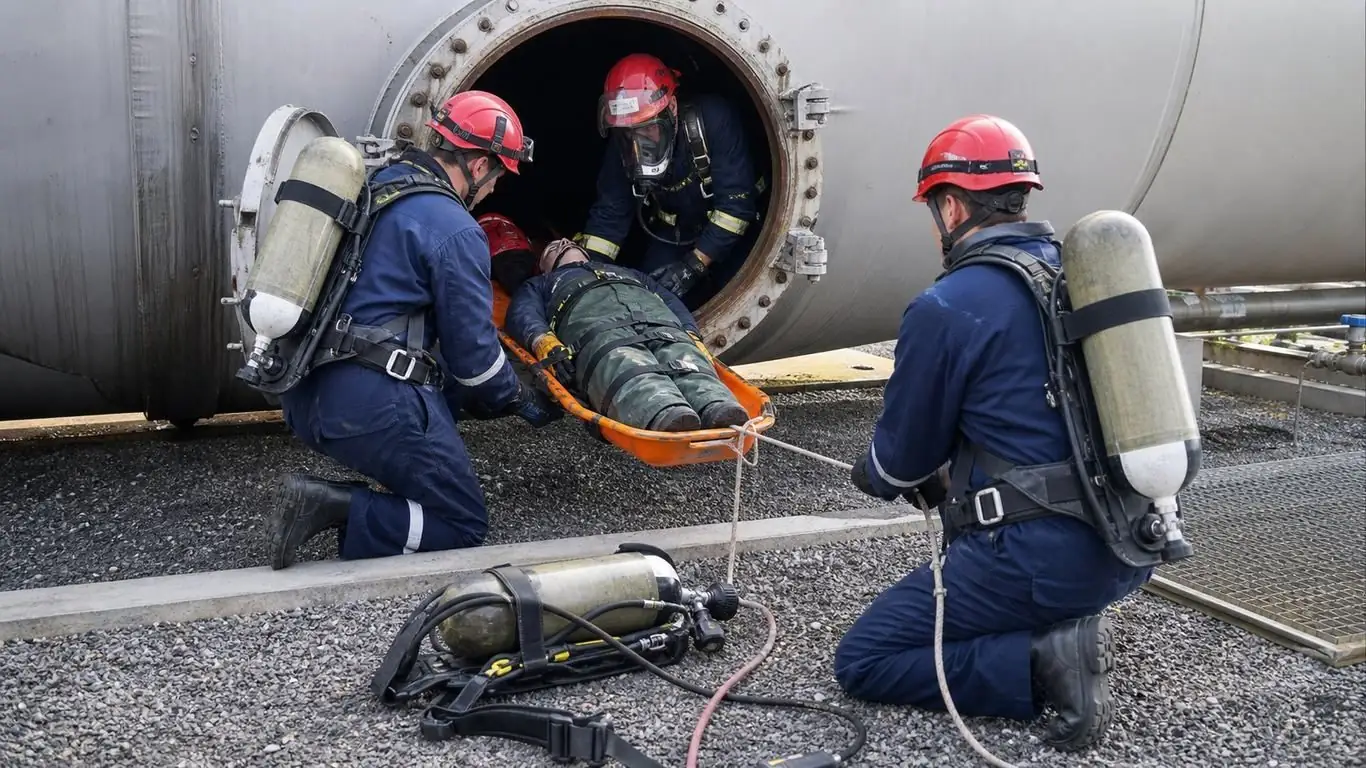
- Contingency plans, evacuation, rescue & first-aid response
Other ADNOC-Approved Courses You'll See on Job Ads
- Onshore HSE Induction + ADNOC Life Saving Rules — mandatory before first site entry
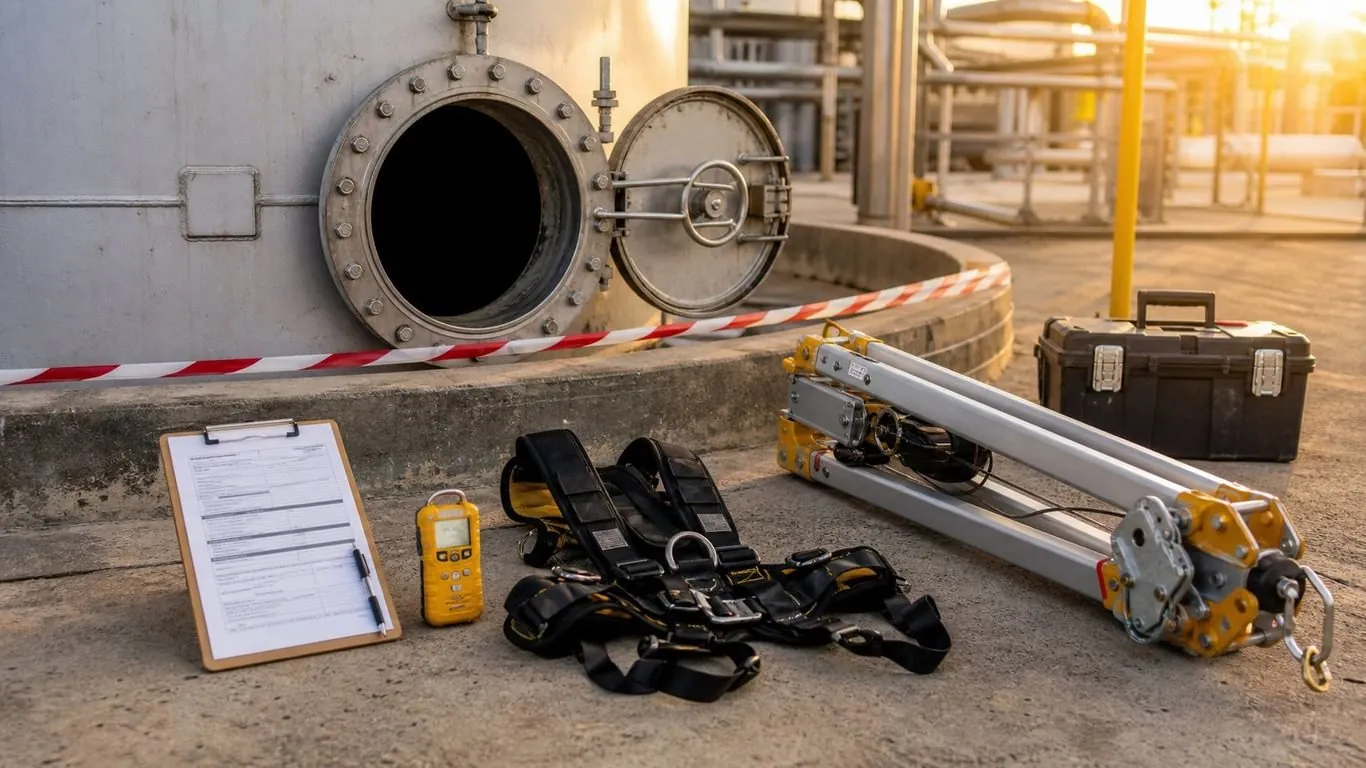
- Authorized Gas Tester — for personnel performing gas testing before confined space / hot work
- WMS (Work Management System) — for PTW roles: performers, approvers, SIMOPS coordinators
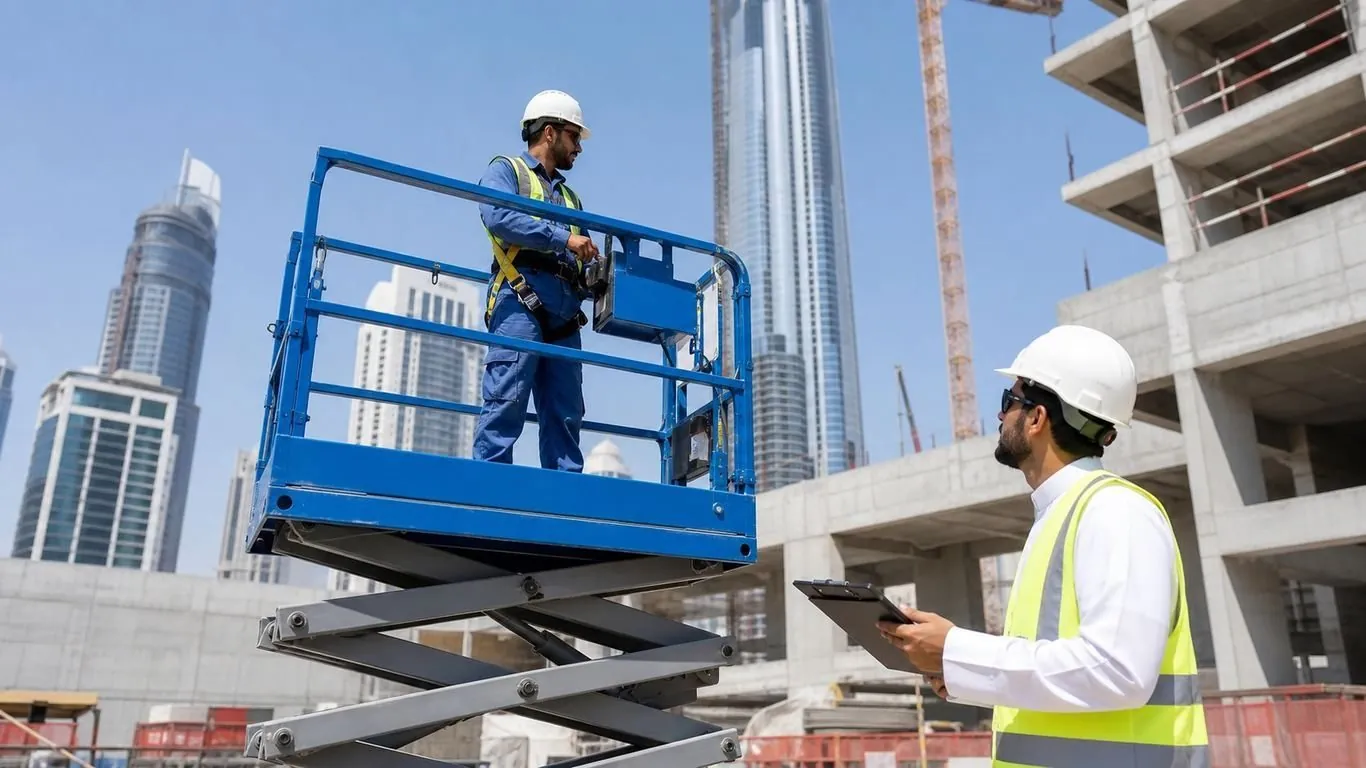
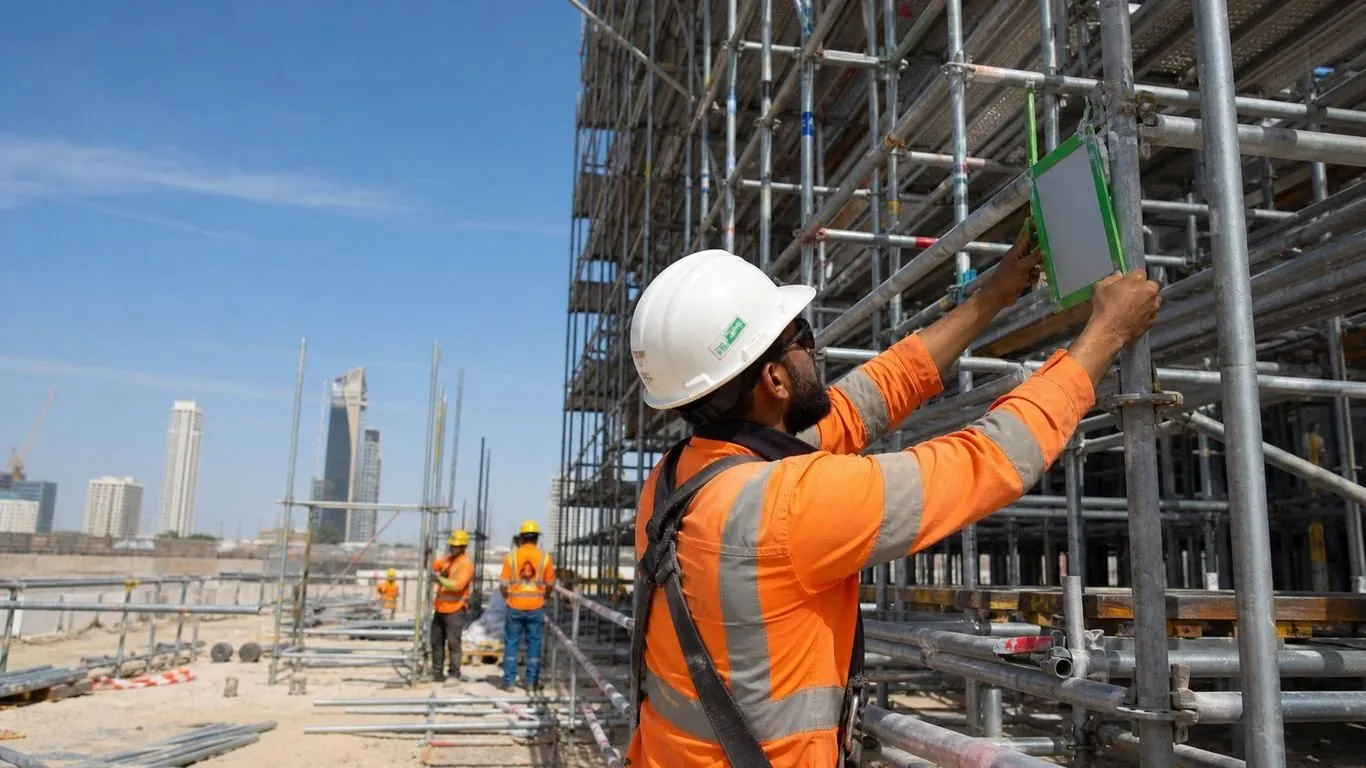
- Confined Space Entry / Standby Man and Work at Height + Rescue
Job ads for ADNOC contractors commonly list: "H2S Awareness + Escape (SCBA), NEBOSH IGC for HSE roles, Working at Height + Rescue" — so stacking these certificates dramatically widens the roles you qualify for.
How to Book Your Seat
- WhatsApp us your name + which ADNOC course you need (or a screenshot of the job requirement)
- We confirm the next batch date, exact price and venue in minutes
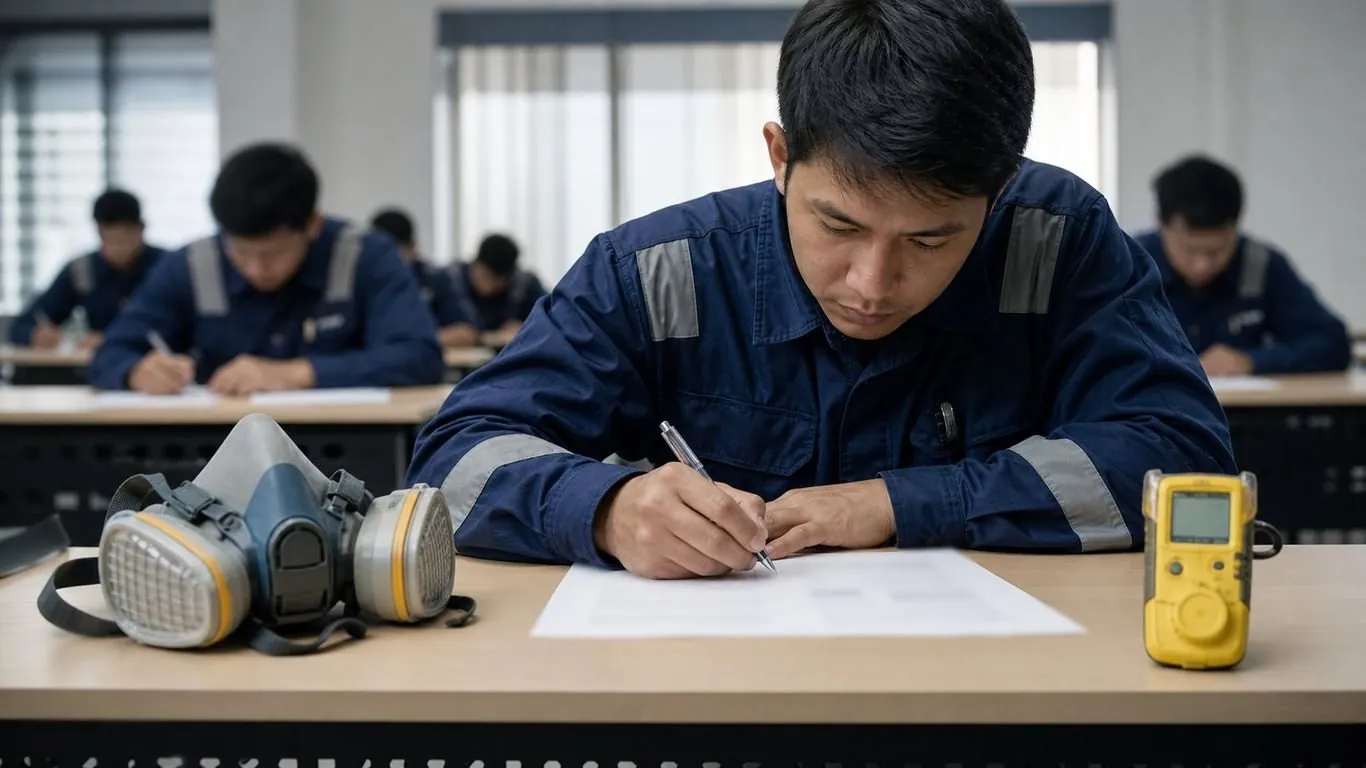
- Attend, pass the assessment, receive your ADNOC-approved certificate
Next Batch Dates — Limited Seats
H2S, Authorized Gas Tester, HSE Induction and WMS batches run regularly in Abu Dhabi. Message now to reserve your seat before the batch fills.
💬 WhatsApp +971 52 382 8967Need a Certificate? Reply in 5 Minutes
Batch dates, prices and required documents on WhatsApp — real experts, no bots.
💬 WhatsApp +971 52 382 9267H2S Zone Classification (ADNOC) — the Table That Decides Your Training Level
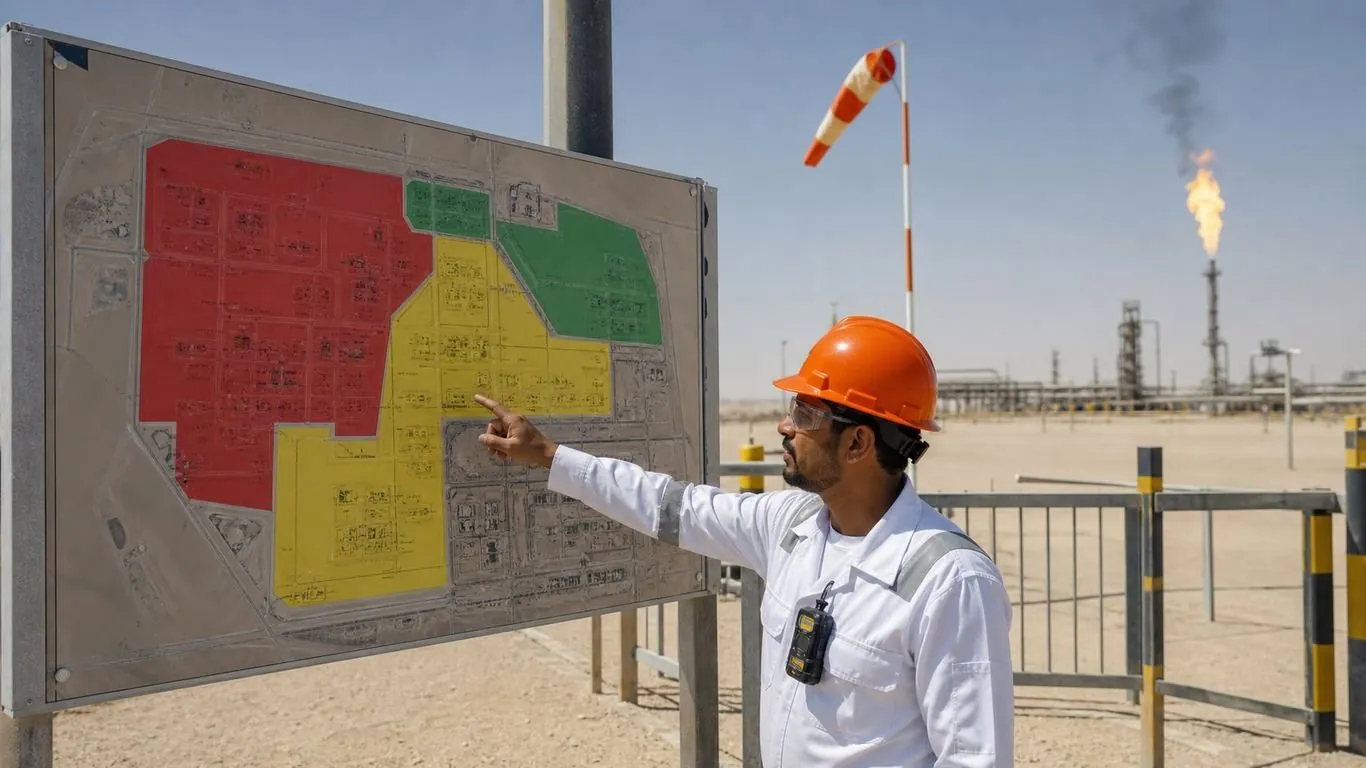
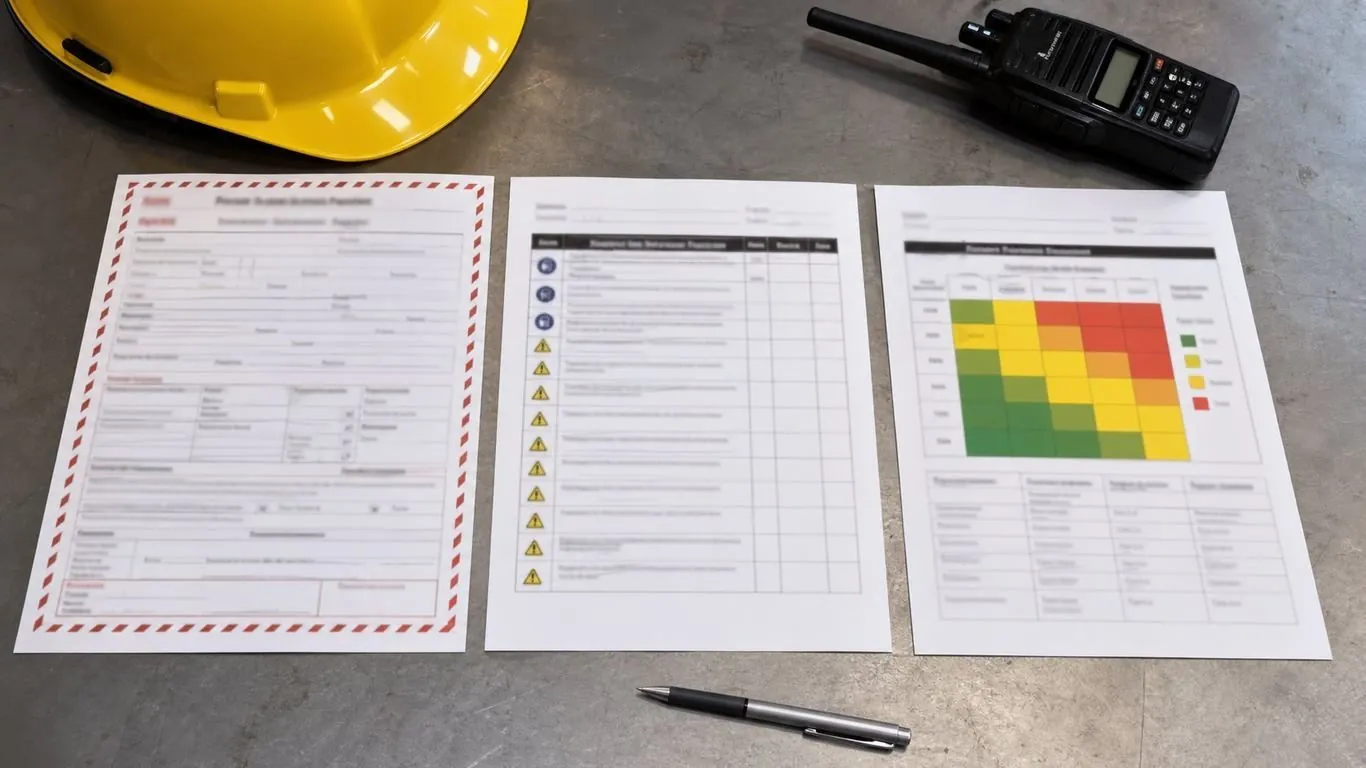
ADNOC-family sites classify H2S exposure into colour-coded zones, and the zone your role touches decides the training, the equipment and the entry rules — which is why this page, a training guide, carries the zone table directly. The supervisor's version, the one briefed at the barrier:
| Zone | H2S reality | Who may enter | Training & equipment |
|---|---|---|---|
| Green | H2S not expected; routine area | All inducted personnel | Site induction + H2S awareness; standard PPE |
| Yellow | Low probability of release | Inducted personnel with zone briefing | H2S awareness; personal detector mandatory |
| Amber | May be present under upset or normal operation | Named, briefed crew only | H2S Level 1 (typically 2-year validity); personal detector + escape set; buddy system |
| Red | Present or likely; immediate danger | Authorised rescue/essential entries only | H2S Level 2 + BA/SCBA competency, current fit-test; full breathing apparatus; gas-test permit active |
Two details from the full H2S zone classification guide are worth carrying even in a training context: the zone boundary is a line on the plot plan that moves with process conditions — the controlling version is the one posted at the barrier with the current permit — and Amber is the zone that kills complacency, because it feels routine while work continues. If your role is Amber- or Red-zone bound, the Level 1 versus Level 2 decision below is not optional reading.
SCBA & H2S Respiratory Protection — What “Level 2” Actually Trains
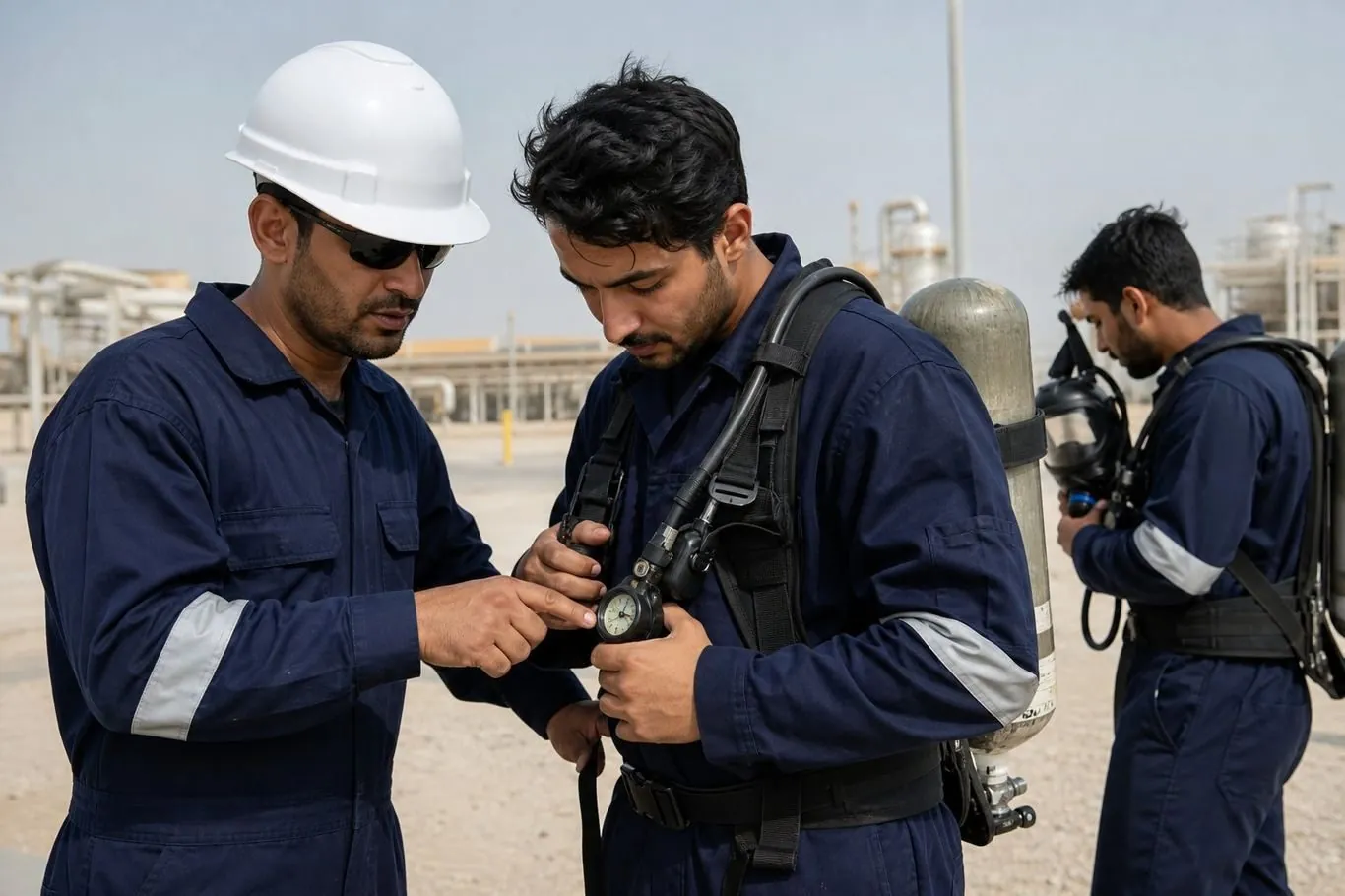
The respiratory layer is where H2S training stops being a classroom subject: hydrogen sulphide deadens the sense of smell at exactly the concentrations that matter, which makes the equipment the only warning system that works. Amber-zone work runs on personal detectors plus escape sets — the filter-hood units that buy minutes to leave. Red-zone and rescue work runs on SCBA — self-contained breathing apparatus — and ADNOC-family sites expect current competency and fit-test records for anyone donning it. That is the practical meaning of “H2S Level 2” in the table above: not a harder exam, but a different relationship with equipment that has to work on the first breath. The full respiratory-protection curriculum — SCBA donning, escape sets, detector discipline, fit-testing — has its own page in our H2S SCBA respiratory protection guide, and it is the page to read before paying for any course that claims to cover it in an afternoon.
Frequently Asked Questions
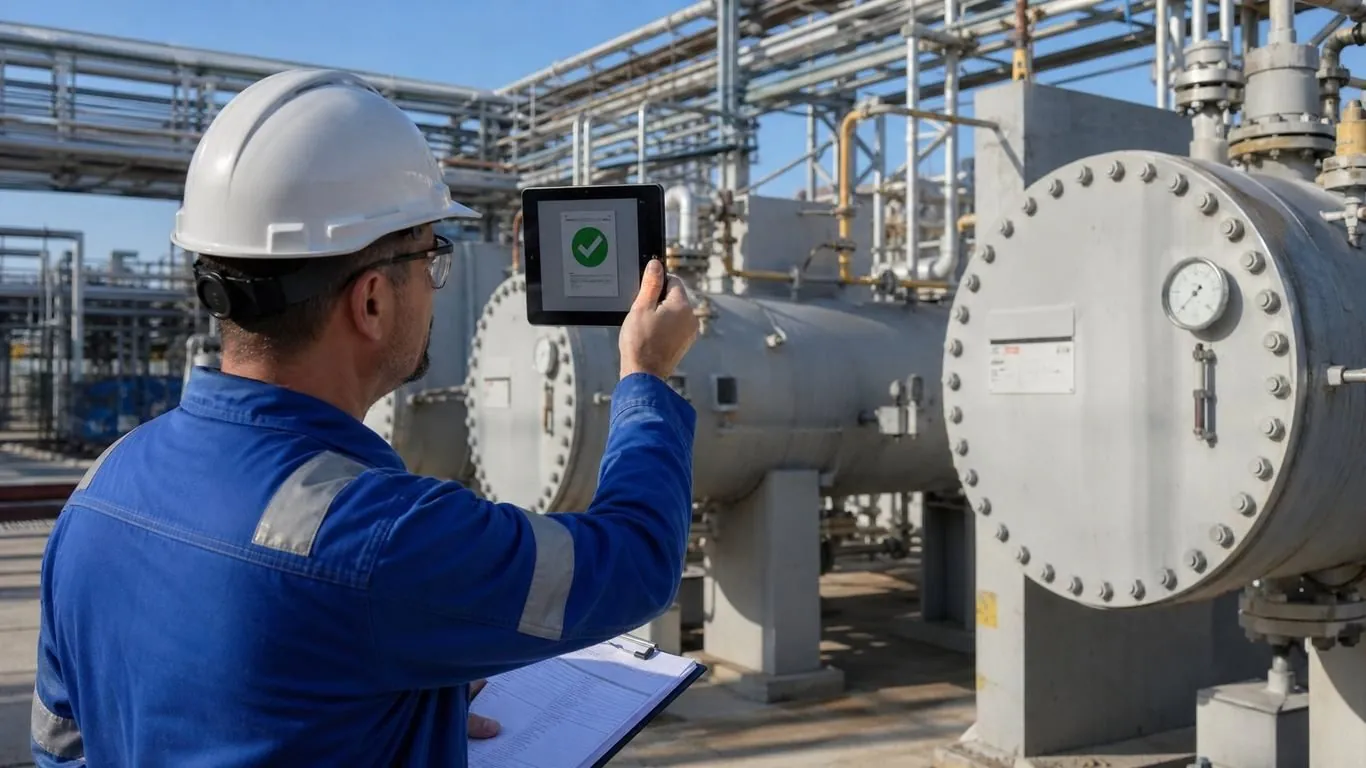
Is H2S training mandatory for ADNOC sites? Yes. ADNOC onshore and offshore sites require valid H2S certificates at the gate. Crews heading to Ruwais, Habshan or Bab are checked at entry, and certificates must come from ADNOC-approved providers.
OPITO vs ADNOC-approved H2S — what is the difference? OPITO H2S is an international oil and gas standard used offshore and internationally, while ADNOC approvals are the access requirement on ADNOC sites in the UAE. Employers specify which card they accept, so confirm before booking.
How long is H2S training? Awareness level runs half a day to one day; Level 2 with SCBA practice is longer. Providers schedule sessions several days a week at centers in Mussafah and Dubai, with group bookings on request.
How long is an H2S certificate valid? The common UAE band is 1-2 years, with ADNOC-linked cards typically 2 years. An expired card means no site entry; refreshers are shorter than the initial course.
Do I need H2S before a gas tester course? Gas tester training assumes you already understand H2S hazards. Providers recommend completing H2S training first, especially for roles involving entry testing in confined or process areas.
What is the H2S zone classification on ADNOC sites? ADNOC-family sites classify areas by H2S exposure: Green (H2S not expected, routine work, induction plus awareness training), Yellow (low probability of release, personal detector mandatory), Amber (H2S may be present under upset or normal operation — named crews only, H2S Level 1 training, personal detector plus escape set, buddy system), and Red (H2S present or likely — authorised essential entries only, H2S Level 2 plus SCBA competency with current fit-test, full breathing apparatus under an active gas-test permit). The zone boundary is a line on the plot plan that moves with process conditions; the controlling version is posted at the barrier with the current permit.
Is SCBA training part of H2S Level 2 for ADNOC sites? Yes — SCBA (self-contained breathing apparatus) competency with a current fit-test is the operational core of what ADNOC-family sites expect from H2S Level 2 holders, because Red-zone and rescue work runs on full breathing apparatus while Amber-zone work relies on personal detectors and escape sets. H2S deadens the sense of smell at precisely the concentrations that matter, so the equipment is the only reliable warning system. Level 1 covers awareness, detector discipline and escape for Amber-zone roles; Level 2 adds the respiratory-protection and rescue-depth competency.

Certification partner in the UAE since 1998 · EIAC (IB-125) & ENAS accredited · KHDA permits · Every guide is written by our compliance desk using real UAE site requirements. Official quotes: WhatsApp +971 52 382 9267 · See our accreditations →
📚 Keep Reading — All Our Guides